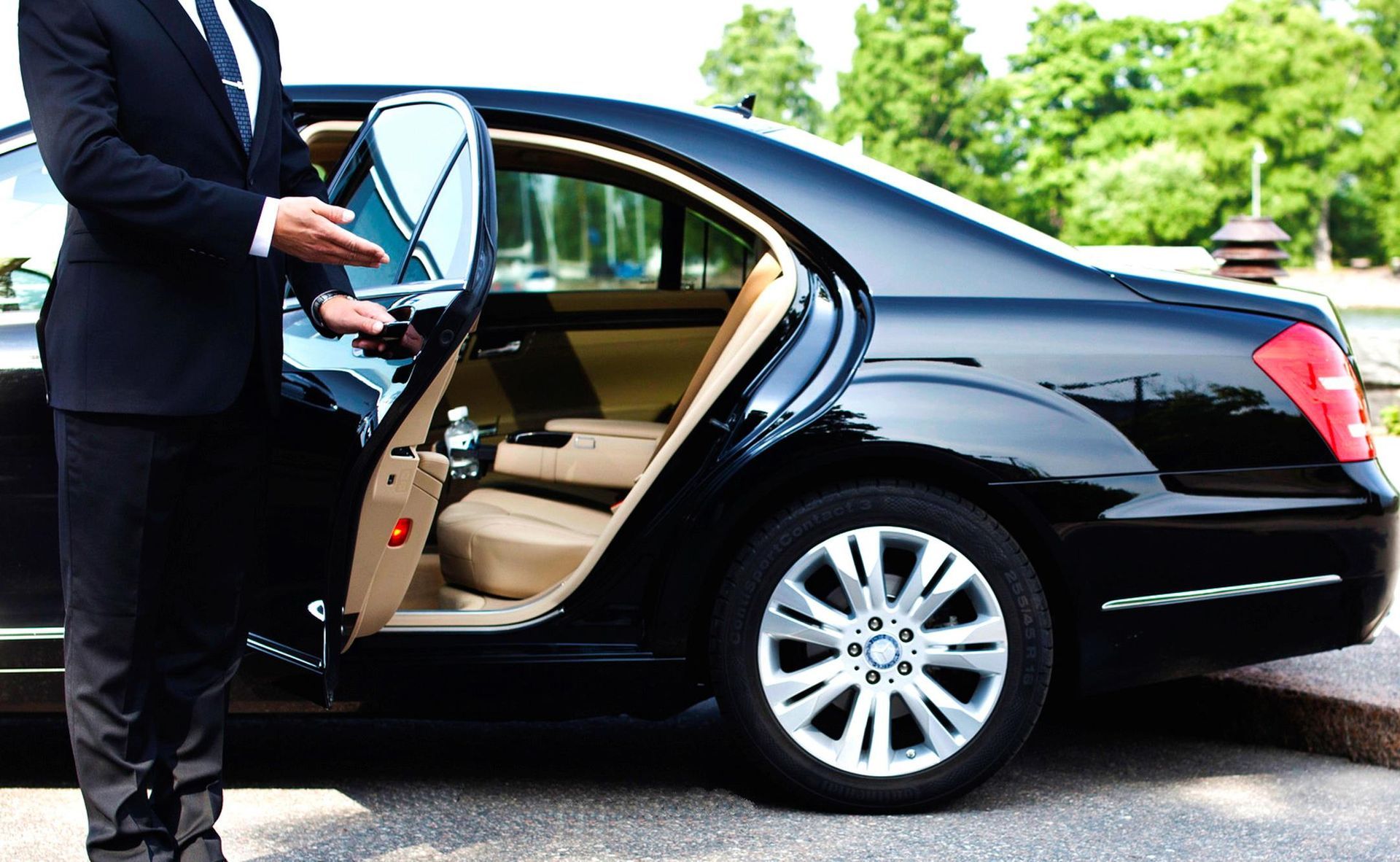
Selecting a limousine and premium ground transportation provider involves more than elegance, convenience, or visual impact. Safety plays a critical role in every ride, whether it’s a special event, a corporate transfer, or an important personal engagement. From scheduling the ride to reaching the final destination, each detail should promote comfort and peace of mind. As professionals in this industry, we believe informed clients make better decisions and enjoy a more confident travel experience.
At Limo Affair, safety is more than one element—it is a core philosophy that shapes our daily operations. We recognize that clients place their trust in us for comfort, punctuality, and personal well-being, and we honor that responsibility at every stage. Understanding what to consider before booking allows travelers to confirm their selection meets strict safety expectations. This guide highlights important limousine safety considerations to support informed and confident booking decisions.
Understanding Licensing and Compliance Requirements
Licensing and compliance requirements are essential to maintaining safe limousine and luxury ground transportation operations. Valid credentials show that a provider adheres to industry regulations created to safeguard passengers. These standards generally include driver credentials, vehicle conditions, and service practices that ensure consistent quality. When a company maintains up-to-date licensing, it reflects an ongoing commitment to accountability and professionalism. Clients feel reassured when they understand that safety requirements are embedded into everyday service.
Compliance with regulations confirms that vehicles are properly registered for commercial service and maintained to required standards. This level of monitoring helps prevent issues caused by unlicensed drivers or unsuitable vehicles. Companies with proper licensing are reviewed through inspections that copyright safety requirements. Such procedures support trust and consistency, which are vital in premium transportation. Selecting a provider that prioritizes compliance gives passengers confidence before their journey begins.
Chauffeur Training and Professional Screening Standards
The safety of passengers relies heavily on chauffeurs, making education and screening a top priority. Professional drivers are carefully vetted through background checks to ensure reliability and ethical conduct. Chauffeur training also includes defensive driving skills, awareness of surroundings, and controlled responses to challenges. These skills help chauffeurs anticipate road conditions and respond effectively to unexpected situations. A well-trained chauffeur enhances both safety and overall travel comfort.
Ongoing education is just as important as initial training. Regular refreshers keep chauffeurs informed about updated safety practices and service expectations. This commitment to improvement supports professionalism and reliable service on every trip. Clients enjoy respectful behavior, effective communication, and smooth driving focused on passenger comfort. Trust grows when travelers know their chauffeur is prepared, attentive, and committed to safe transport.
Safety-Focused Vehicle Selection
Selecting the right vehicle is essential to maintaining passenger safety. Premium vehicles are built with modern safety technologies that enhance protection. Features often include reinforced structures, enhanced braking systems, and updated restraint mechanisms. Vehicles that satisfy high safety criteria deliver better reliability and driving performance. Comfort and elegance are enhanced when safety is built into the design.
Passenger cabin safety is just as important, particularly for groups. Well-designed seating, stable handholds, and unobstructed walkways minimize injury risks. Vehicles should be configured to support stability and ease of movement when entering or exiting. Thoughtful vehicle selection reflects a commitment to both luxury and protection. Travelers can feel at ease knowing vehicles are designed with safety in mind.
Consistent Maintenance and Inspections
Regular upkeep of vehicles is fundamental to safe limousine service. Routine inspections help identify potential issues before they affect performance or passenger comfort. Following preventive maintenance plans guarantees proper operation of engines, brakes, tires, and essential systems. This proactive approach minimizes unexpected disruptions and enhances reliability. Properly serviced vehicles build trust and confidence as soon as passengers step inside.
Service records and accountability reinforce maintenance practices. Comprehensive maintenance logs offer transparency and monitor vehicle condition over time. Regular inspections reinforce a culture of responsibility and attention to detail. Maintaining vehicles regularly guarantees comfortable, dependable journeys. Safety becomes a consistent standard rather than a reactive measure.
Operational Policies That Support Passenger Safety
Explicit operational guidelines establish order and uniformity across operations. These policies guide how chauffeurs interact with passengers, manage schedules, and respond to changing conditions. Defined procedures reduce uncertainty and help maintain calm, organized operations. Built-in safety measures ensure daily choices prioritize passenger protection. A strong operational framework supports dependable service delivery.
Effective communication is essential to smooth operations. Coordination between chauffeurs and teams ensures on-time arrivals and smooth processes. Well-communicated expectations prevent confusion and improve passenger experience. Adhering to guidelines keeps operations reliable and safe. Clients gain a stress-free ride thanks to structured and planned operations.
Technology and Safety Monitoring
Modern technology plays an important role in enhancing limousine safety. Advanced navigation tools support efficient routing and awareness of road conditions. Vehicle tech systems provide performance insights and promote accountable operation. These tools provide real-time insights that support proactive decision-making. Technology complements professional expertise to create a safer travel environment.
Tracking and monitoring bolster responsibility and continual service improvement. Data collected during trips can identify trends and opportunities for refinement. This information helps maintain high standards across all services. When technology and training work together, passengers experience a well-coordinated journey. Traveler trust increases when robust safety systems are actively utilized.
Passenger Awareness and Shared Responsibility
Safety depends on collaboration between passengers and service providers. Understanding basic safety guidelines helps travelers make informed choices during their ride. Basic behaviors, like staying seated, help maintain a safe environment. Clear communication with the chauffeur ensures expectations are aligned. When passengers are engaged, the journey becomes smoother for everyone involved.
Following vehicle instructions ensures a secure check here and comfortable ride. Adhering to seating guidelines and vehicle directions improves stability and passenger ease. Passengers who feel informed are more relaxed and confident throughout the trip. This collaborative approach reinforces trust between service providers and clients. Mutual dedication to safety makes the journey more enjoyable and secure.
Making Informed Booking Decisions
Limousine bookings should prioritize understanding of safety protocols. Inquiring properly ensures travelers know how safety is handled. Transparency in policies, training, and maintenance reflects professionalism. Educated choices minimize doubt and enhance traveler confidence. Confidence begins with knowing what standards guide the service.
As a premium ground transportation provider, we prioritize safety and customer confidence. Safety is central to every Limo Affair ride rather than being secondary. Clients can make confident bookings by learning what ensures safe operations. Understanding safety protocols lets travelers ride securely and comfortably.